Recent Gateway 2 outcomes continue to reinforce the importance of clear, proportionate, and well-evidenced submissions for complex and high-risk buildings.
While many projects progress successfully, delays and refusals frequently stem from unclear access and maintenance strategies, late design changes, or insufficient technical justification. These trends highlight the value of early specialist input and structured decision-making.
Analysis of recent decisions indicates several recurring issues:
Early clarity is critical
Projects that define access and maintenance strategies early are better placed to demonstrate compliance.
Late-stage changes introduce risk
Design amendments introduced close to submission continue to cause delays and uncertainty.
Evidence matters
Regulators expect clear justification for proposed solutions, supported by technical reasoning and proportionate assessment.
Proportionality is under scrutiny
Both over-specification and under-specification are being challenged, particularly where solutions do not align with actual maintenance need.
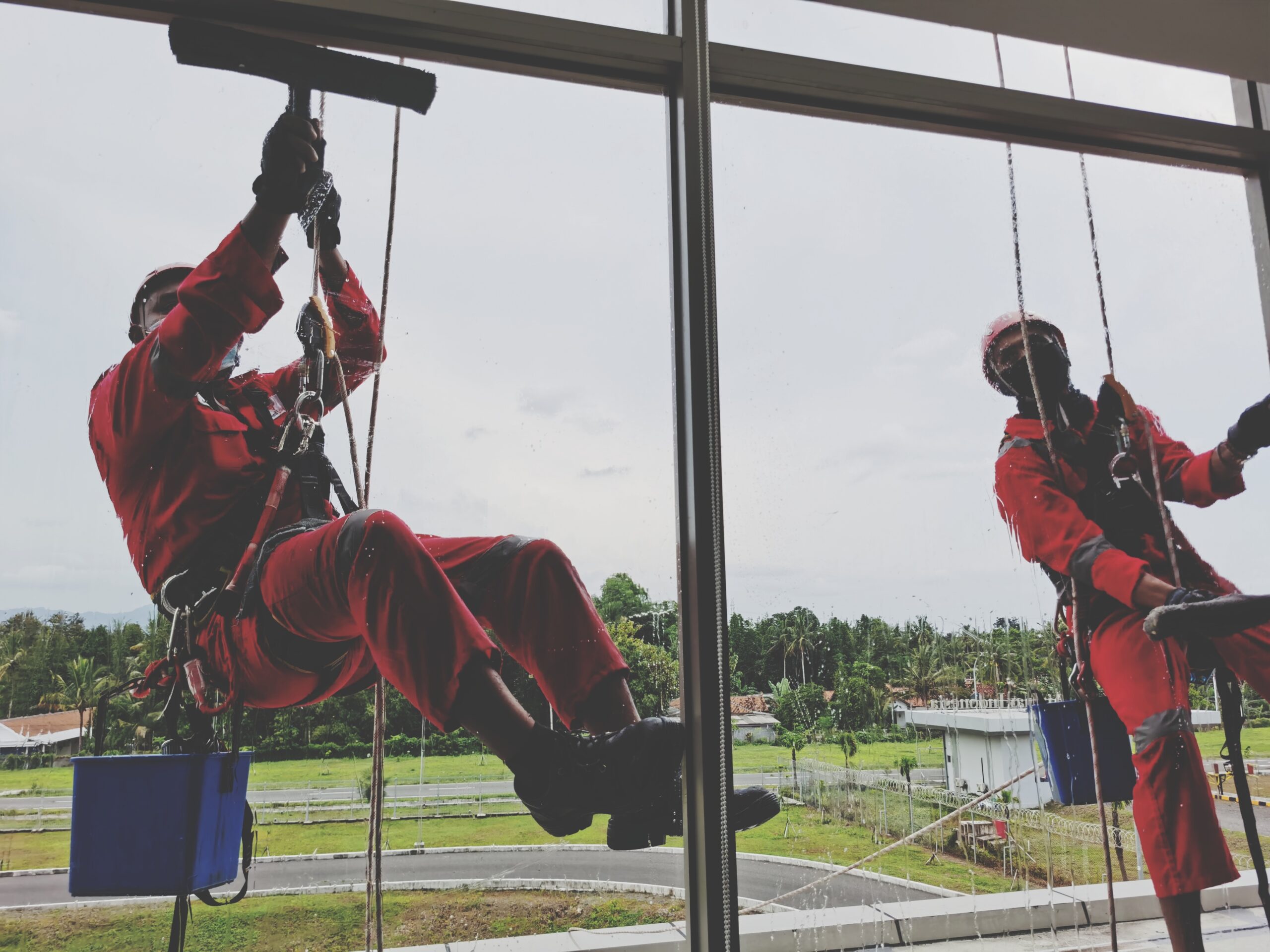
Access and maintenance strategies sit at the heart of long-term building safety. They demonstrate how façade systems will be safely inspected, cleaned, repaired, and replaced throughout the building’s lifecycle.
Where these strategies are unclear or reactive, submissions often require further clarification, resulting in programme impact and additional cost.
Engaging competent specialist support at an early stage helps project teams to:
Identify access and maintenance risks early
Develop proportionate, buildable solutions
Avoid reactive redesign late in the programme
Present clear, regulator-ready information
This approach supports smoother Gateway review and greater programme certainty.
Gateway 2 success is increasingly driven by clarity, competence, and proportionality.
Projects that take a structured approach to access and maintenance planning are better positioned to meet regulatory expectations without unnecessary complexity or cost.
BSR FAST provides independent access, safety, and Building Safety consultancy, supporting project teams in developing clear, proportionate strategies aligned with current regulatory expectations.
Our advice focuses on producing information that is technically robust, clearly explained, and suitable for regulator review.
This article is provided for general information only and does not constitute project-specific advice.